Wardogs Season 2 brings a reworked economy, new anti-air vehicles and a tougher logistics loop
Want articles like this for your own video to promote it on YouTube and Google? Order them through the Telegram bot @sat_sit_bot. Articles with your video embedded are written and posted by the bot itself — on popular topical sites (no ads). Try it free: 50 articles on us.
Key takeaways
- Season 2 of Wardogs reworks the economy: supply pallets now pay a $1,250 base plus a $2,500 streak bonus at a 10-drop streak.
- Sniper body-shot damage on .50 cal rifles was cut by 16%, letting tier 2 armor survive a hit from the end-game sniper rifle.
- The Lakota minigun helicopter costs more to field and now competes with new anti-air vehicles such as the Gepard.
- FOB construction and logistics runs were nerfed across the board, so hauling supplies pays less per trip than before.
- Low-zoom, uncluttered optics remain locked behind late progression levels, a recurring complaint from players.
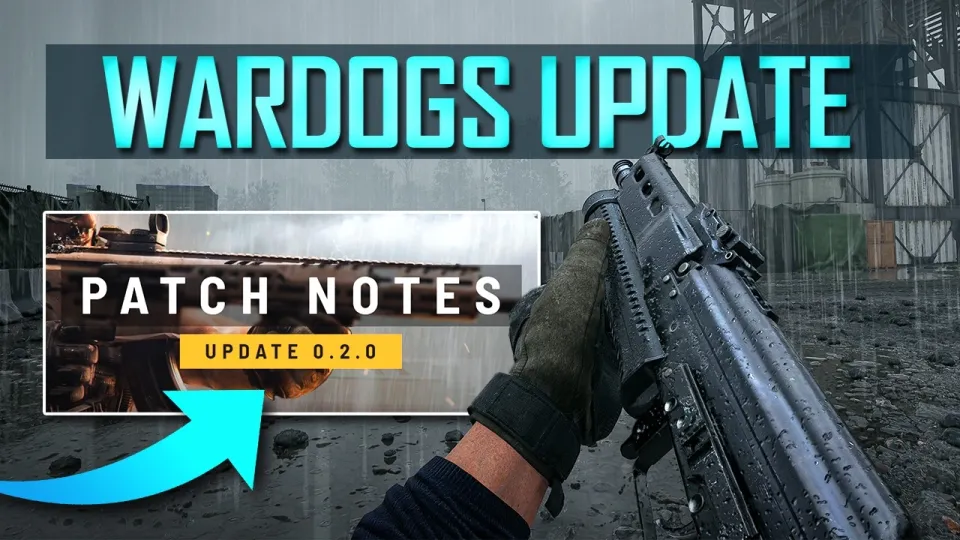
Wardogs Season 2 is a broad economy and balance patch rather than a content drop: it changes how much money players earn from logistics and FOB building, cuts sniper body-shot damage, raises the price of the minigun helicopter and adds anti-air pressure that makes flying riskier. The full patch notes are published on Steam, and the breakdown below covers what actually changes in a match and how to adjust. Live streams of the new season are running on GhostGaming's Twitch channel.
What the Wardogs Season 2 update changes at a glance
The headline is money. Season 2 rewrites the payout tables for almost every support role while leaving infantry combat largely untouched. According to the developer clarification shared after the patch notes went live, the streak numbers shown for supply drop-offs were originally listed outside the combat zone; the corrected figures put a pallet at a 10-drop streak at $1,250 base plus a $2,500 bonus. In practice that means the ceiling for logistics income is higher than the first read of the notes suggested, but it is reached through more trips rather than fewer.
Other confirmed changes in the update:
- .50 cal sniper damage reduced by 16%, which pushes tier 2 armor over the threshold where it could previously be one-shot to the body by the end-game sniper rifle.
- Sniper hit zones clarified as the head and neck, so body shots are now a two-shot affair against armored targets.
- Minigun Lakota helicopter price increased; a fully loaded airframe with three flares runs around $14,000.
- New anti-air vehicle, the Gepard, added alongside existing AA options, raising the risk of flying.
- FOB construction and supply delivery values adjusted downward, increasing the number of trips needed for the same output.
- Minor item pricing tweaks, including the SKS bipod moving from $800 to $810.
Logistics and FOB building after the nerfs
The logistics role now demands more trips for comparable pay, and that is the change most likely to reshape how matches play out. A driver who used to spot a dry FOB, spawn a URAL and run one load of supplies could meaningfully change a fight; under the new numbers, that single run returns less, and the bonus structure rewards sustained delivery streaks instead of opportunistic rescues. The result is a role that pays well only if you commit to it for most of a match.
For FOB builders the math is similar. The same amount of construction now consumes more delivered supplies, so a base that used to need a handful of pallets needs several more. Practical adjustments:
- Plan supply runs in convoys rather than solo shuttles, so the streak bonus stacks faster.
- Build the essential structures first (spawn, ammo, repair) and treat walls as a second wave.
- Coordinate with a second builder; a single hammer cannot keep up with the pallet volume a full logistics chain can deliver.
- Expect FOBs to fall more often, and place them with a shorter expected lifespan in mind.
Sniper damage, armor tiers and the .50 cal nerf
The 16% reduction to .50 cal damage changes the breakpoints that define long-range fights. Tier 2 armor can now absorb a body shot from the end-game sniper rifle, which turns what used to be a reliable one-shot into a two-shot exchange and gives the target a chance to break line of sight or return fire. Head and neck hits remain lethal, so the skill ceiling is intact — the change punishes sloppy center-mass shooting rather than good aim.
For snipers this means repositioning after every hit matters more than ever, because a wounded target in tier 2 armor is now a live threat. For everyone else, the practical takeaway is that tier 2 armor is worth the cost earlier in a match than it used to be.
Helicopters, the Gepard and the cost of flying
Air play gets squeezed from two directions in Season 2: higher airframe prices and more anti-air on the ground. The minigun Lakota is the clearest example — a fully equipped build with three flares costs roughly $14,000, and recouping that requires kill streaks and disciplined flare use. A single mistake can wipe out thousands in value, which makes the airframe a poor pick for players who cannot consistently stay alive.
At the same time, the addition of the Gepard gives ground teams another dedicated anti-air platform, and even turret-mounted heavy machine guns become more threatening when pilots have to fly lower or slower to line up minigun runs. Early in the season, before Gepards are widespread, helicopter play should still be viable; later, expect the air game to tighten considerably. Pilots should budget flares as a resource, avoid hovering over contested points and treat every exposed approach as covered until proven otherwise.
Player concerns worth knowing before you queue
The most common doubts around the Season 2 patch notes are about whether support roles remain worth playing at all. Logistics already struggled to attract volunteers, and making each individual delivery less lucrative risks pushing more players toward infantry, where income is unaffected. The counterargument is that the streak bonuses reward committed drivers who stay in the role for a full match rather than players who make one opportunistic run.
A second recurring complaint concerns optics. Minimalist low-zoom sights — the simple, uncluttered red dot many players want — remain locked behind late progression levels, which forces new players into busier reticles for dozens of hours. Vehicle handling is another long-standing gripe: the URAL still drives as if it is on ice, and no handling changes were announced. Finally, helicopter pilots point out that landing experience is not rewarded proportionally, so the risk of flying is not matched by the reward for surviving a sortie.
Progression and what to expect in the first days
Season progression resets the race for unlocks, and the early hours will be dominated by players rushing tier 3 and tier 4 armor. Because the economy changes hit support roles hardest, the first days may see fewer FOBs and fewer supply runs while players test whether the new payouts are worth the time. If you want to stay ahead, focus on roles that generate income without relying on vehicle purchases, and delay expensive airframes until the anti-air meta settles.
Links from the video
- GhostGaming on Twitch
- GhostGaming on Twitter
- GhostGaming Discord
- GhostGaming on TikTok
- Full Wardogs Season 2 patch notes on Steam
Bottom line on the Wardogs Season 2 update
Season 2 is an economy patch first and a combat patch second: logistics and FOB building cost more effort for similar or lower returns, sniper body shots are no longer a guaranteed kill against tier 2 armor, and helicopters are more expensive to field in a sky that now includes the Gepard. Infantry players come out of the update largely untouched, while support players need to rethink trip planning and construction priorities. For a full walkthrough of every change with commentary, watch the GhostGaming breakdown, and follow the channel live on Twitch for Season 2 gameplay as the meta develops.
Questions & answers
Does the Wardogs Season 2 update make logistics unprofitable?
Not unprofitable, but less efficient per trip. A supply pallet at a 10-drop streak pays $1,250 base plus a $2,500 bonus once the corrected numbers are used, so committed drivers can still earn well. The catch is that single opportunistic runs to save a dry FOB now return much less than before, so the role rewards sustained play rather than quick rescues.
Can tier 2 armor survive a sniper shot after the .50 cal nerf?
Yes, against body shots. The 16% reduction to .50 cal damage means tier 2 armor can tank a center-mass hit from the end-game sniper rifle. Head and neck hits are still lethal, so the change mainly punishes sloppy aim rather than removing the sniper's one-shot potential.
Is the minigun Lakota still worth buying in Season 2?
Only for pilots who can consistently stay alive. A fully loaded build with three flares costs around $14,000, and the new Gepard anti-air vehicle plus turret-mounted guns make surviving harder. If you cannot chain kill streaks and manage flares carefully, the airframe is likely to lose money.
Why are simple low-zoom optics still locked at high levels?
The progression system gates minimalist red dots and low-zoom sights behind late unlocks, which is a frequent complaint because those sights are the easiest to use for new players. No change to that structure was announced for Season 2, so expect to grind before you get a clean, uncluttered reticle.
Source: WARDOGS New Season 2 Update ► EVERYTHING You Need To Know · Markdown version